
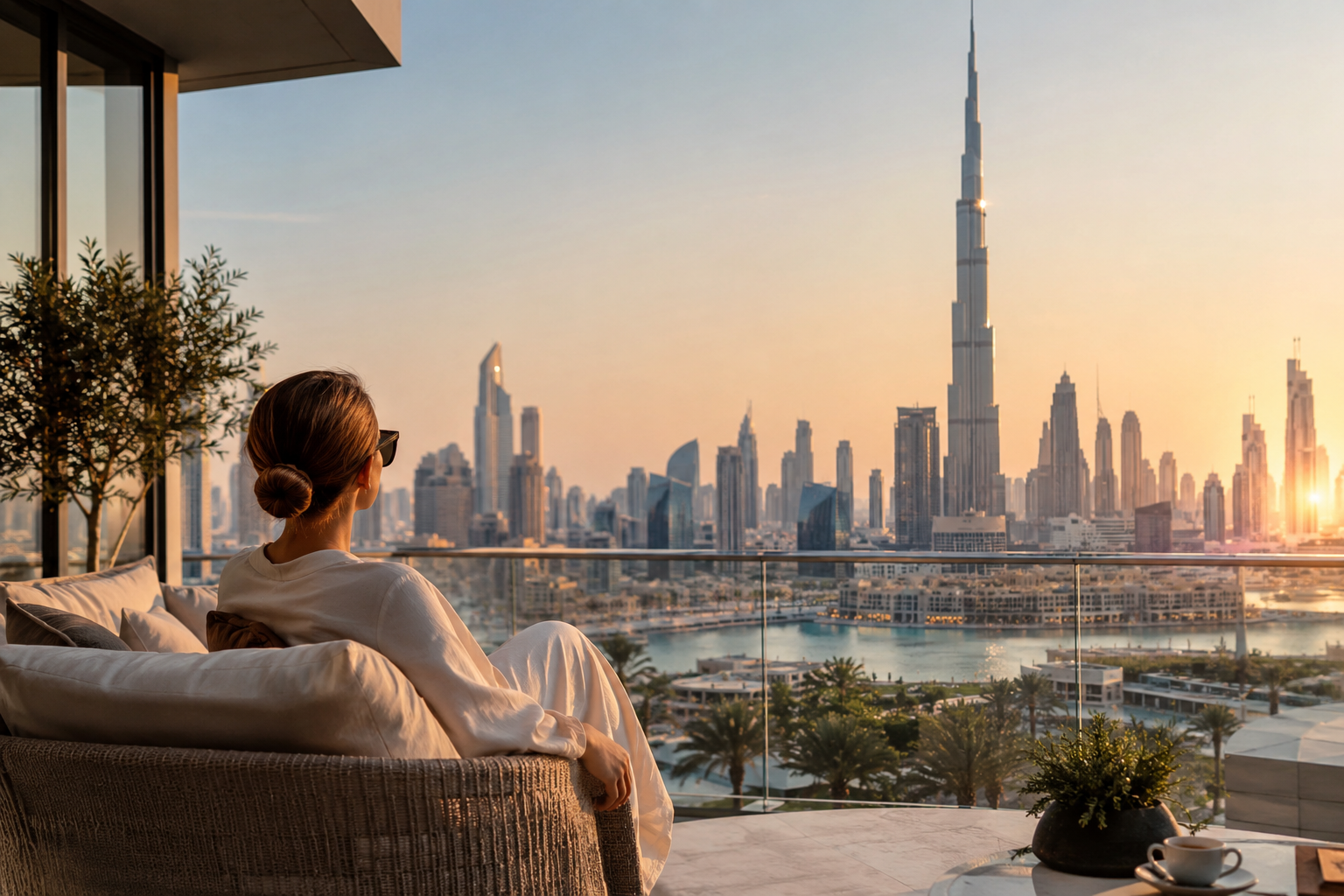
Living in Dubai: Climate, Safety, and an International Community for Expats
Direct answer: Dubai combines near year-round sunshine, one of the highest safety indexes in the world, zero personal income tax, and a population that's overwhelmingly expatriate, where English works as the everyday language. For an investor or a family weighing not just buying, but actually living there, here's what matters beyond the market numbers.
Climate: sun almost all year, with a caveat
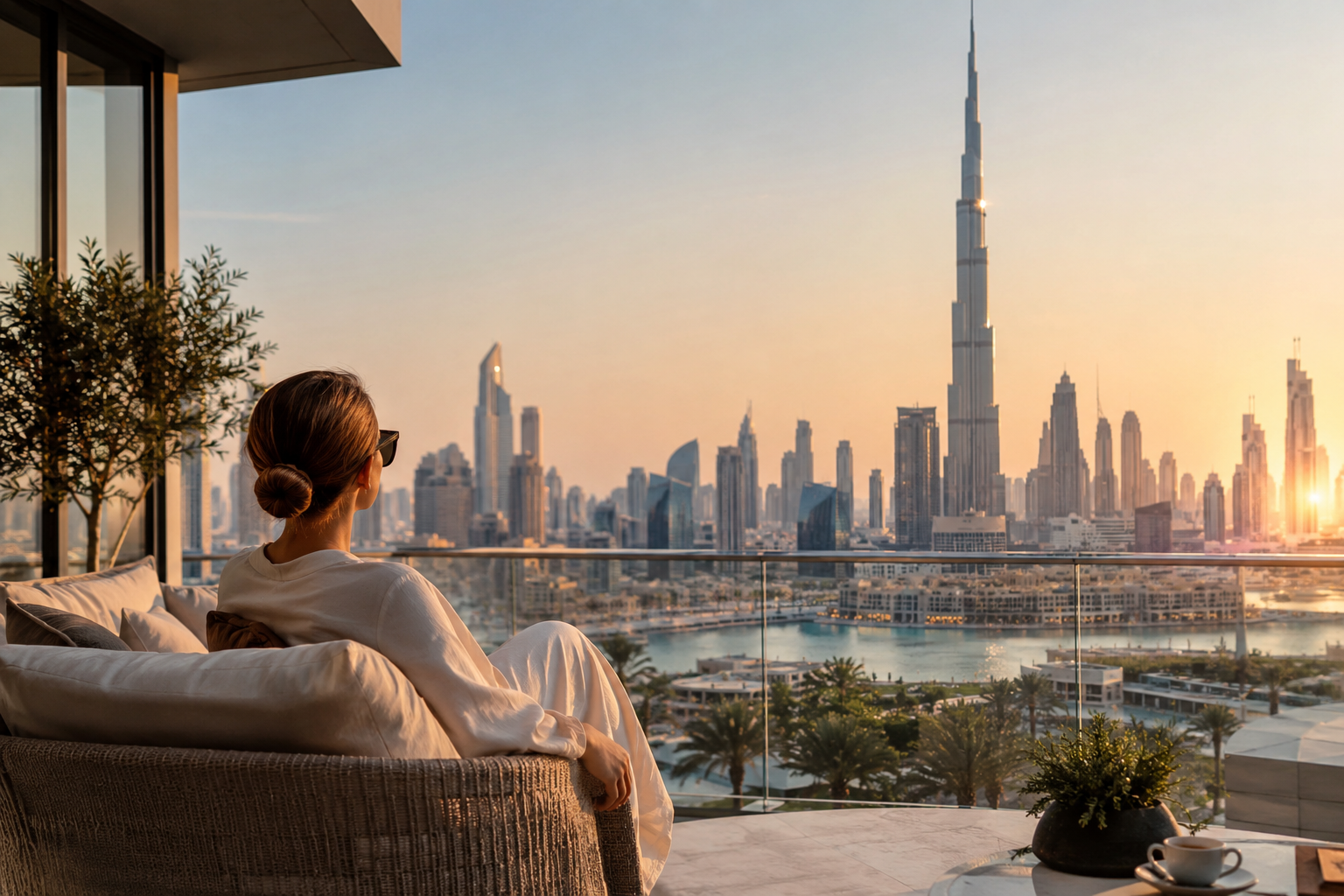
Dubai has a desert climate: mild, sunny winters (November to March, with pleasant temperatures ideal for outdoor living) and long, very hot summers, with temperatures frequently topping 40°C between June and September. Life in Dubai in summer largely moves into air-conditioned spaces, malls, offices, gyms, something that surprises newcomers from Europe. It isn't a uniform climate twelve months a year, but it does deliver more guaranteed sunny days annually than almost anywhere in the world.
Safety: among the highest on the planet
The UAE consistently ranks among the world's top-rated countries for safety. According to Numbeo, as of mid-2026 the UAE registers a Safety Index of 86.4 out of 100 (Crime Index of 13.6), among the highest globally. For a family relocating from abroad, that translates into everyday peace of mind, walking at night, leaving a car unlocked, kids moving around the neighborhood on their own, that's hard to find in a city this size anywhere else in the world.
International community: who actually lives in Dubai
Dubai is, first and foremost, an expatriate city: official figures put the foreign population well above the local Emirati population, with commonly cited estimates around 90% of the total. That means arriving without Arabic isn't a real obstacle, English is the everyday language at work, at school, and in shops, and that the social life, international schools, and communities of different nationalities (including well-established Gulf, European, and South Asian communities) are already built and waiting.
Taxation and day-to-day quality of life
Dubai applies no personal income tax, which directly changes disposable income compared with most European countries. On top of that, residents get access to high-end private healthcare (with mandatory health insurance for residents) and a wide range of international schools offering British, American, Indian, and International Baccalaureate curricula, built specifically for expatriate families.
FAQ: Living in Dubai
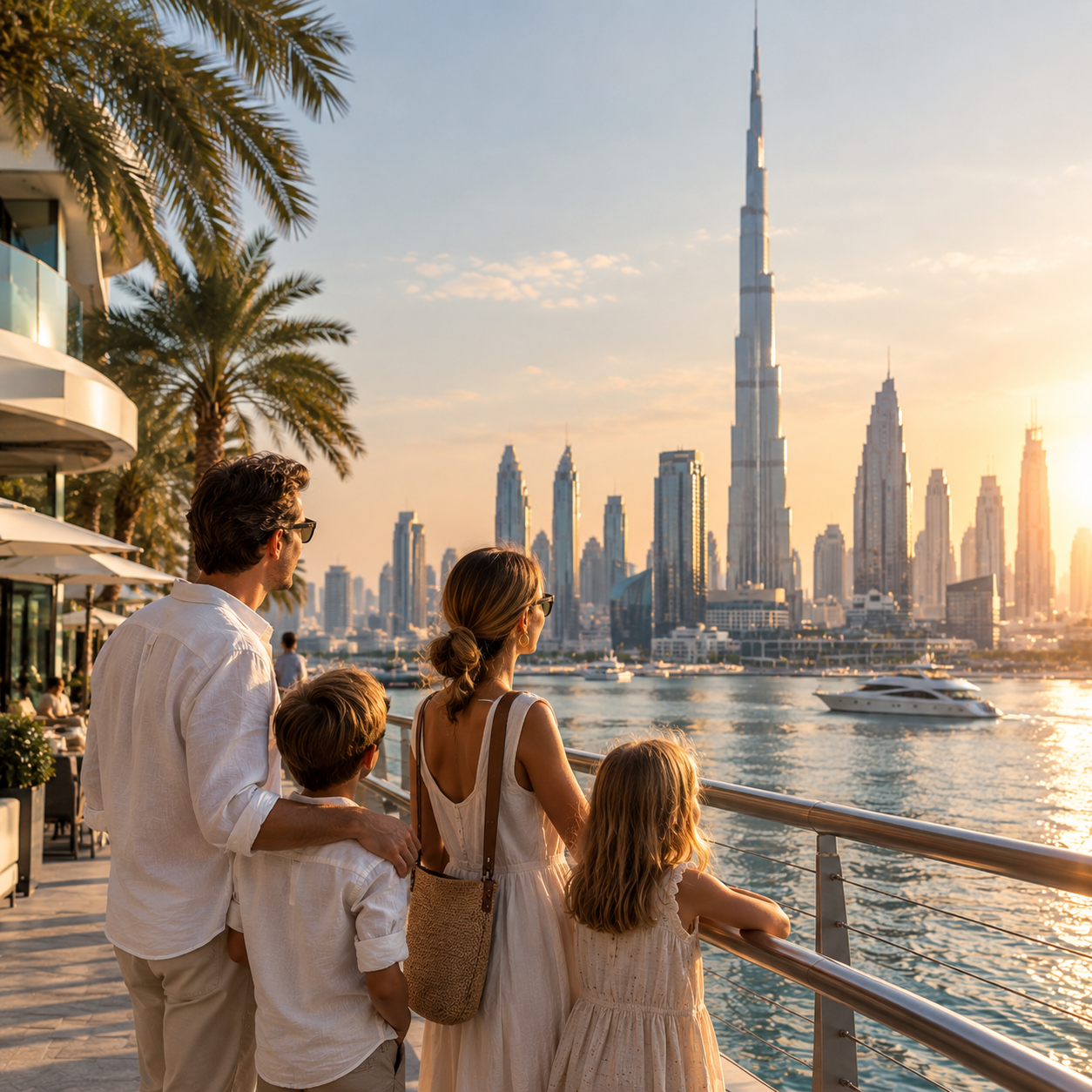
Is it safe to live in Dubai with children? Yes, Dubai ranks among the cities with the lowest crime rates in the world, and families frequently cite that everyday safety as a standout factor compared with other major cities.
Do I need to speak Arabic to live in Dubai? No. English is the general-use language at work, at school, and in daily life; Arabic is the official language, but it isn't a practical barrier for an expat.
What percentage of Dubai's population is foreign? Official figures put the expatriate community well above the Emirati population, with commonly cited estimates close to 90% of the total.
What it comes down to: Dubai offers an unusual combination of safety, sunshine, favorable taxation, and an already-established international community, factors that weigh as heavily as the property itself when deciding not just where to invest, but, for many of our clients, where to live. Explore our properties in Dubai here.
Sources: Numbeo, Safety Index by Country (mid-2026); official UAE government portal (u.ae). The expat population figure (~90%) is a widely cited estimate; an exact, up-to-date official percentage could not be confirmed via a primary source this session.
Interested in Learning More?
Connect with our experts for exclusive investment opportunities and detailed property insights.
Get Expert Consultation