
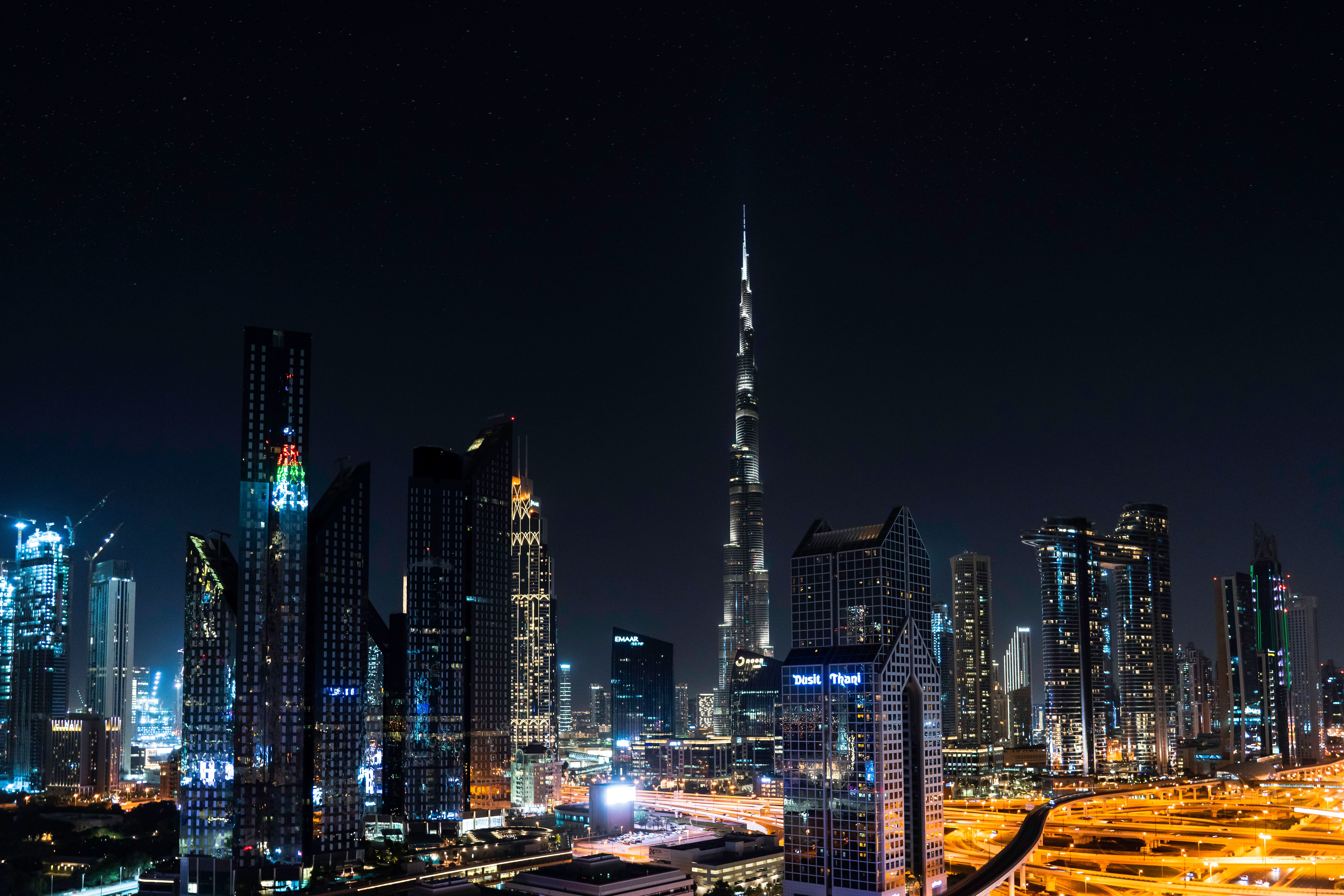
Dubai Real Estate: Asia's Emerging Investment Focus Heading Into 2027
Across Asia, private capital is increasingly flowing into a single jurisdiction: Dubai. The shift is not driven by sentiment alone. It rests on a small set of durable, measurable fundamentals, and on a market response that, so far, points toward greater stability rather than speculative risk.
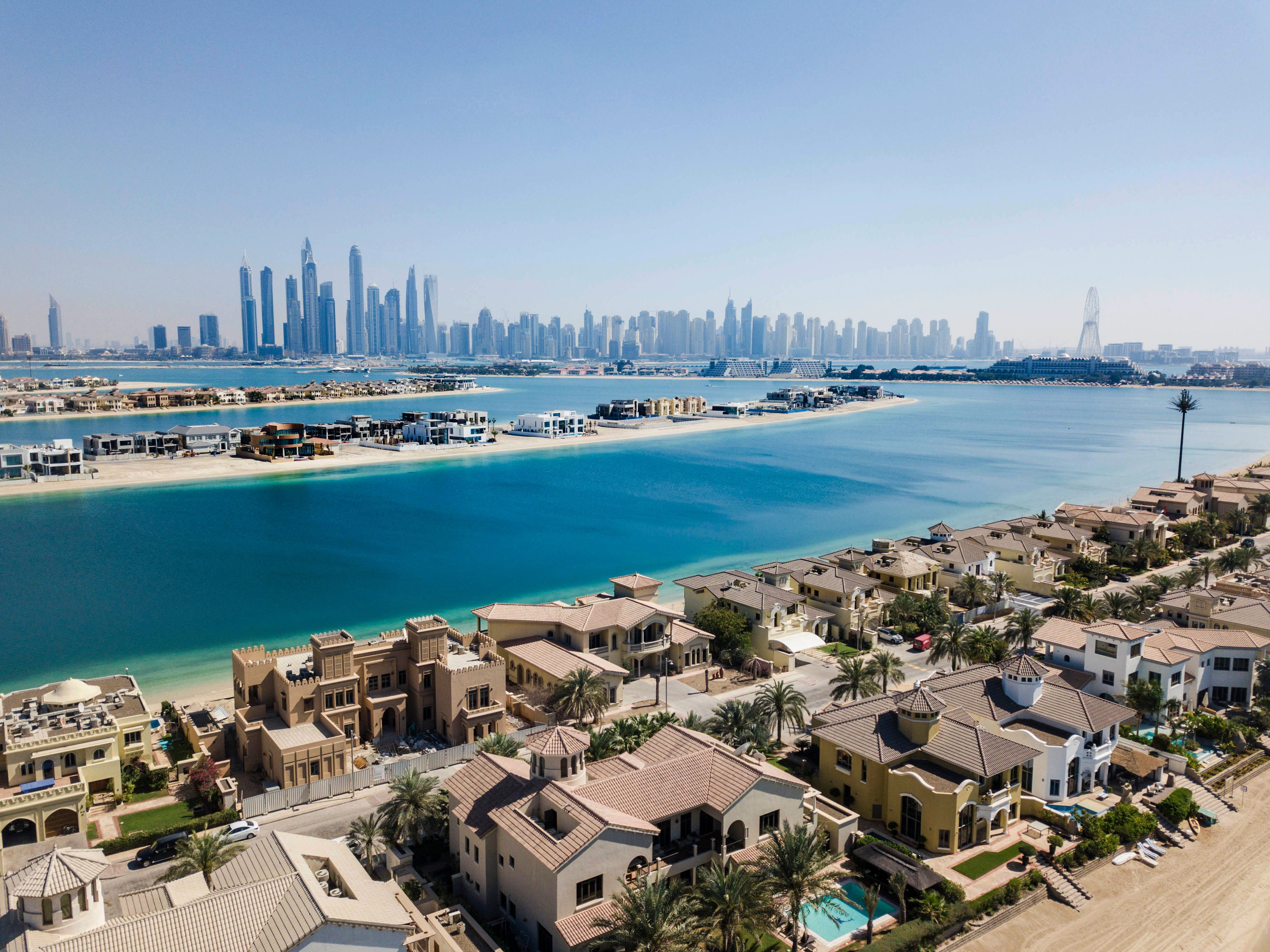
Why Investors Across Asia Are Looking at Dubai
Taxation is the starting point. Dubai levies no personal income tax and no capital gains tax on property investors, a structural difference from most Asian financial centres, where rental income and capital gains are typically taxed at the individual level.
Currency stability is a second, less discussed factor. The UAE dirham has been pegged to the US dollar since 1997, offering a degree of exchange-rate predictability that investors holding assets in more volatile regional currencies often value as a form of portfolio hedging.
Rental yields compare favourably as well. Independent research from Knight Frank places Dubai among the world's top-performing prime residential markets, with net yields on
well-located residential assets holding firm in the mid-to-high single digits, a level well above the 2% to 3% typical of several established Asian property markets. A fourth factor, long-term residency, has also become material to investment decisions: the UAE Golden Visa grants a renewable 10-year permit to investors with a qualifying property purchase of at least AED 2 million (approximately USD 545,000), independent of a local sponsor
This combination is prompting a broader reassessment of overseas allocation across the region. In markets such as Singapore, where the Inland Revenue Authority of Singapore (IRAS) applies a flat 60% Additional Buyer's Stamp Duty to foreign purchasers of residential property, a growing number of private investors are weighing offshore real estate as part of a diversified strategy, one pattern among several currently reshaping how Asian capital approaches real estate investment in the UAE.
What This Means for Market Stability
An inflow of diversified, international capital carries implications that extend beyond individual investment opportunities. A market historically weighted toward a narrower set of buyer nationalities is inherently more exposed to shifts in any single home economy; sustained participation from across Asia, alongside established demand from Europe and the GCC, contributes to a broader, more resilient transaction base.
Regulatory infrastructure has matured alongside demand. Escrow account requirements for off-plan developments, transparent title registration through the Dubai Land Department, and
standardised disclosure practices have narrowed the gap between Dubai and more established global real estate markets in terms of investor protection.
Transaction volume also reflects sustained rather than speculative activity. Dubai recorded AED
286.44 billion in property sales across roughly 86,000 deals in the first half of 2026 alone, according to Dubai Land Department figures. The Central Bank of the UAE, in its June 2026 Quarterly Economic Report, projects national GDP growth of 1.7% for the year, a sharp downward revision from an earlier 5.6% estimate, reflecting temporary regional disruptions to trade, tourism, and shipping, while forecasting a strong rebound to 9.8% growth in 2027 as those pressures ease. Real estate transaction volumes have so far held up despite this broader macroeconomic headwind, underscoring the sector's relative insulation from short-term regional volatility. It should be noted that historical returns and current yield levels are not a guarantee of future performance, and any real estate investment opportunity in the UAE should be evaluated against an investor's own objectives, time horizon, and risk tolerance.
Branded Residences: Driving Prestige and Investor Demand
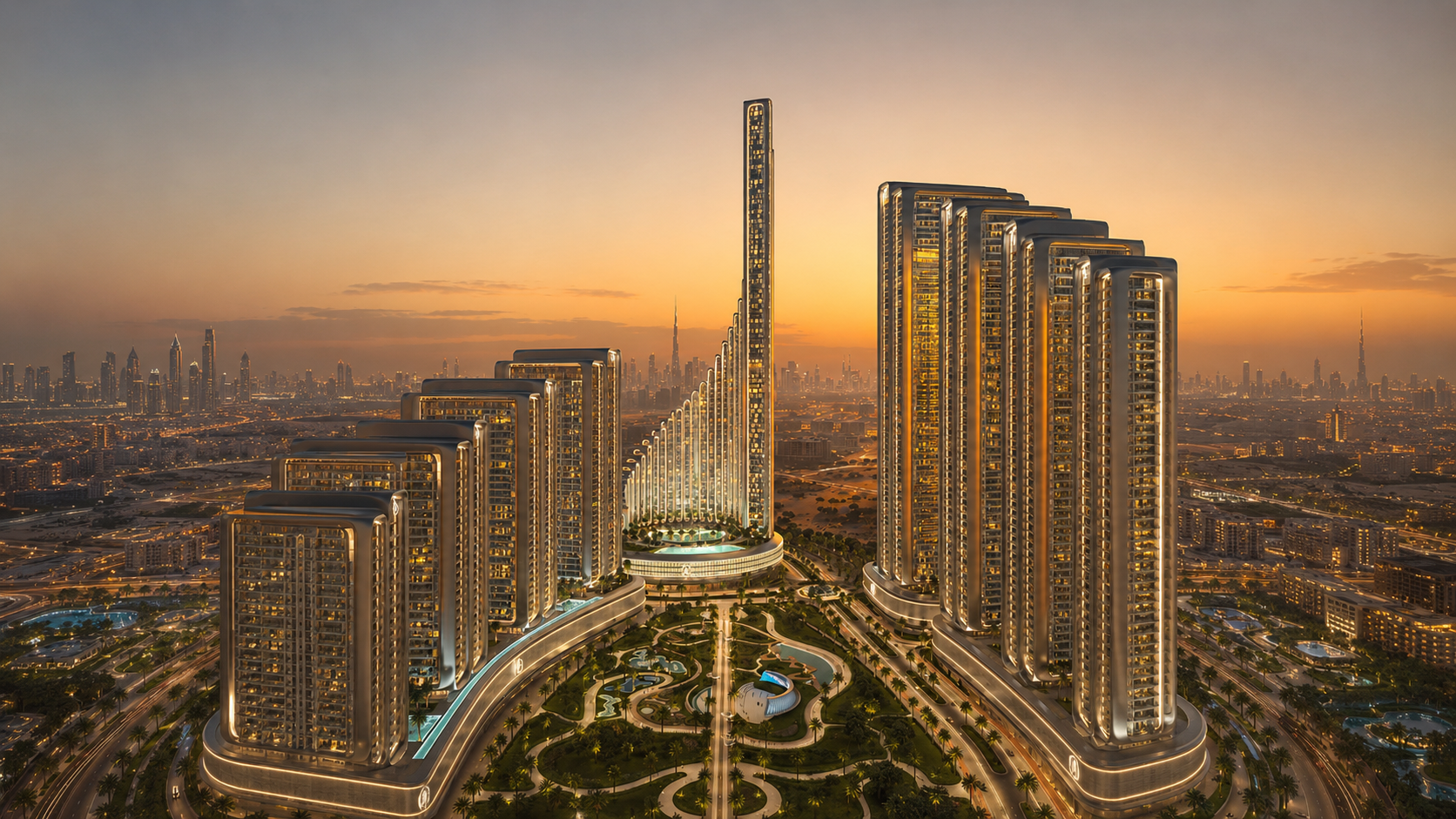
A further indicator of market maturity is the growing presence of internationally branded residential developments in Dubai. Global luxury names, including Bugatti, Mercedes-Benz, and Jacob & Co, have entered the residential market through partnerships with local developers, most notably Binghatti Developers, whose branded projects include Bugatti Residences and Mercedes-Benz Places in Downtown Dubai.
The relevance of this trend extends beyond design appeal. International brands undertake their own due diligence before attaching their name to a development, and their willingness to do so functions as informal, third-party validation of both the developer's execution capability and of the market more broadly. Binghatti's own financial disclosures reinforce this picture: for the full year 2025, the company reported net profit up 96% year-on-year to AED 3.58 billion, with revenue nearly doubling to AED 12.43 billion, according to results reported in the Gulf business press. Branded residential assets have also historically shown stronger resale demand than comparable unbranded stock, a pattern consistent with branded hospitality real estate globally, though, as with any segment, this should not be read as an assured outcome for any individual asset.
Summary
Favourable taxation, currency stability, competitive rental yields, and a maturing regulatory framework are together positioning Dubai as a focal point for Asian capital through 2027. The resulting inflow of diversified, internationally validated investment points toward a market becoming more stable, not more speculative, as it enters its next growth phase.
RINO Properties works with investors across Asia evaluating real estate investment opportunities in Dubai, including projects from leading developers such as Binghatti and Imtiaz.
Contact RINO Properties to arrange a private consultation.
Sources
Dubai H1 2026 property transaction data (AED 286.44 billion, ~86,000 deals): Emirates 24|7 — "Dubai property transactions reach AED419.9 billion in first half of 2026", citing Dubai Land Department figures
UAE 2026 GDP growth forecast (1.7%, revised down from 5.6%; 9.8% rebound projected for 2027): Gulf News — "UAE economy to slow to 1.7% in 2026 before rebounding to 9.8%, says Central Bank", reporting on the Central Bank of the UAE's June 2026 Quarterly Economic Report
Prime residential rental yields: Khaleej Times — "Dubai yields stay among world's highest as GCC property surge rolls into 2026", citing Knight Frank research
UAE Golden Visa property route (official): Dubai Land Department — Golden Visa Investor Application
Singapore ABSD rate for foreign buyers (60%, official): Inland Revenue Authority of Singapore (IRAS) — Additional Buyer's Stamp Duty (ABSD)
Binghatti Developers FY2025 financial results: Khaleej Times — "Dubai-based Binghatti's 2025 net profit nearly doubles to Dh3.58 billion"
Interested in Learning More?
Connect with our experts for exclusive investment opportunities and detailed property insights.
Get Expert Consultation